Electric Bike Buyer's Guide: Making the Right Switch in Pakistan
The transition from internal combustion petrol engines to electric two-wheelers in Pakistan represents one of the most financially impactful mobility upgrades available to commuters. With petrol prices placing sustained strain on household monthly budgets, an electric bike offers a proven reduction in daily operational expenditure. However, navigating the differences between battery chemistries, hub motors, real-world highway ranges, and local dealership networks is essential before making an investment.
A standard 70cc petrol motorcycle consumes approximately 2.4 liters of petrol to travel 100 kilometers, costing between Rs. 650 and Rs. 750 depending on local pump rates. An electric bike traveling the same distance consumes 2.2 to 2.8 units of electricity, costing approximately Rs. 140 to Rs. 185 on standard residential electric meters.
1. Battery Chemistry Breakdown: LFP Lithium vs Graphene in Extreme Heat
When purchasing an electric scooter in Pakistan, the single most critical component is the battery pack. Pakistani climatic conditions present extreme thermal challenges, with ambient summer temperatures frequently exceeding 45°C across Punjab, Sindh, and Khyber Pakhtunkhwa. Understanding the chemical architecture inside the floorboard determines the total longevity of your vehicle.
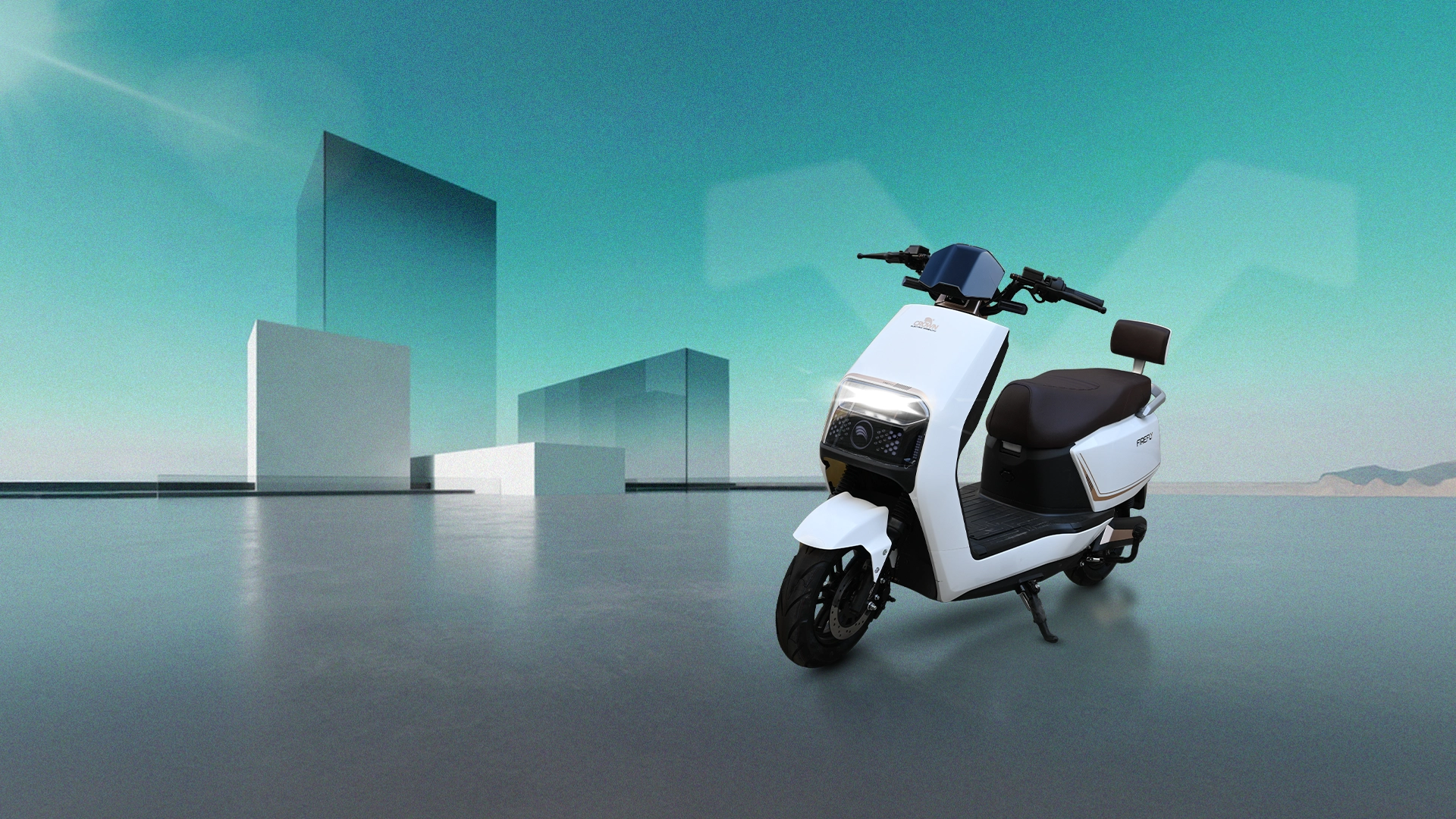
Lithium Iron Phosphate (LiFePO4 / LFP): Recognized globally as the most thermally resilient lithium formulation, LFP batteries (featured in models like the Crown Firefly, Yadea T5L, Eveon Titan, and Evee Gen-Z Pro) maintain chemical stability up to 60°C. They do not suffer from the thermal runaway risks associated with older cobalt-based lithium-ion cells. An LFP pack routinely delivers 2,000 to 2,500 complete charge-discharge cycles. Under normal daily usage of 40 kilometers, an LFP battery maintains reliable charge capacity for 4 to 6 years.
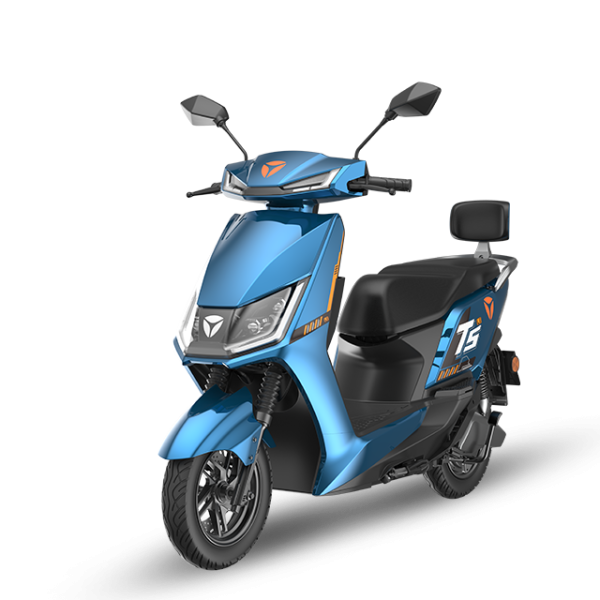
Graphene and Nano-Carbon Batteries: Pioneered for electric two-wheelers by manufacturers like Yadea and Metro (such as the Yadea T5 and Metro T9 Pro), graphene batteries represent an advanced, highly purified evolution of lead-acid chemistry enriched with carbon nano-materials. While heavier than lithium packs, graphene units offer exceptional tolerance to high ambient heat and cost approximately 40% less to replace when their lifecycle concludes. They typically deliver 800 to 1,000 cycles, providing dependable urban operation for 2 to 3 years.
2. True Running Cost: PKR Per Kilometer Analysis
Calculating exact expenses reveals why electric scooters have transitioned from novelties to mainstream financial necessities for students, office commuters, and delivery riders:
- 70cc Petrol Motorcycle: Real-world fuel efficiency averages 42 KM/L in congested city traffic. Factoring in routine monthly engine oil changes, spark plug replacements, air filter cleanings, and carburetor adjustments, the total operating expense stands at Rs. 7.50 to Rs. 8.50 per kilometer.
- Electric Scooter (LFP or Graphene): Consumes 2.5 kWh of electricity per 90 km. At an average residential slab rate of Rs. 65 per unit (inclusive of fuel price adjustments and taxes), the total electrical expense is Rs. 162.50 per full charge. This translates to an operating cost of Rs. 1.80 per kilometer.
For a commuter riding 40 kilometers daily (1,200 km per month), switching to an electric bike saves between Rs. 6,800 and Rs. 8,000 every single month in net running expenses.
3. Electric Motor Ratings: Hub Motors vs Hill Climbing Power
Most electric scooters sold across Pakistan feature Brushless DC (BLDC) hub motors built directly into the rear wheel. Without chains, belts, or drive sprockets, there is zero transmission power loss and zero mechanical maintenance:
- 1000W Motors (e.g. Evee GEN-Z Pro): Engineered specifically for smooth, flat city riding, school commutes, and solo riders. Top speed ranges between 45 and 50 km/h with maximum electrical conservation.
- 1200W to 1500W Motors (e.g. Yadea T5, Metro E8S, Eveon Titan, Crown Firefly): The optimal sweet spot for daily commuters who frequently carry a passenger or navigate steep flyovers and canal road inclines. These motors deliver immediate torque from 0 km/h and maintain 55 to 60 km/h sustained cruising speed.
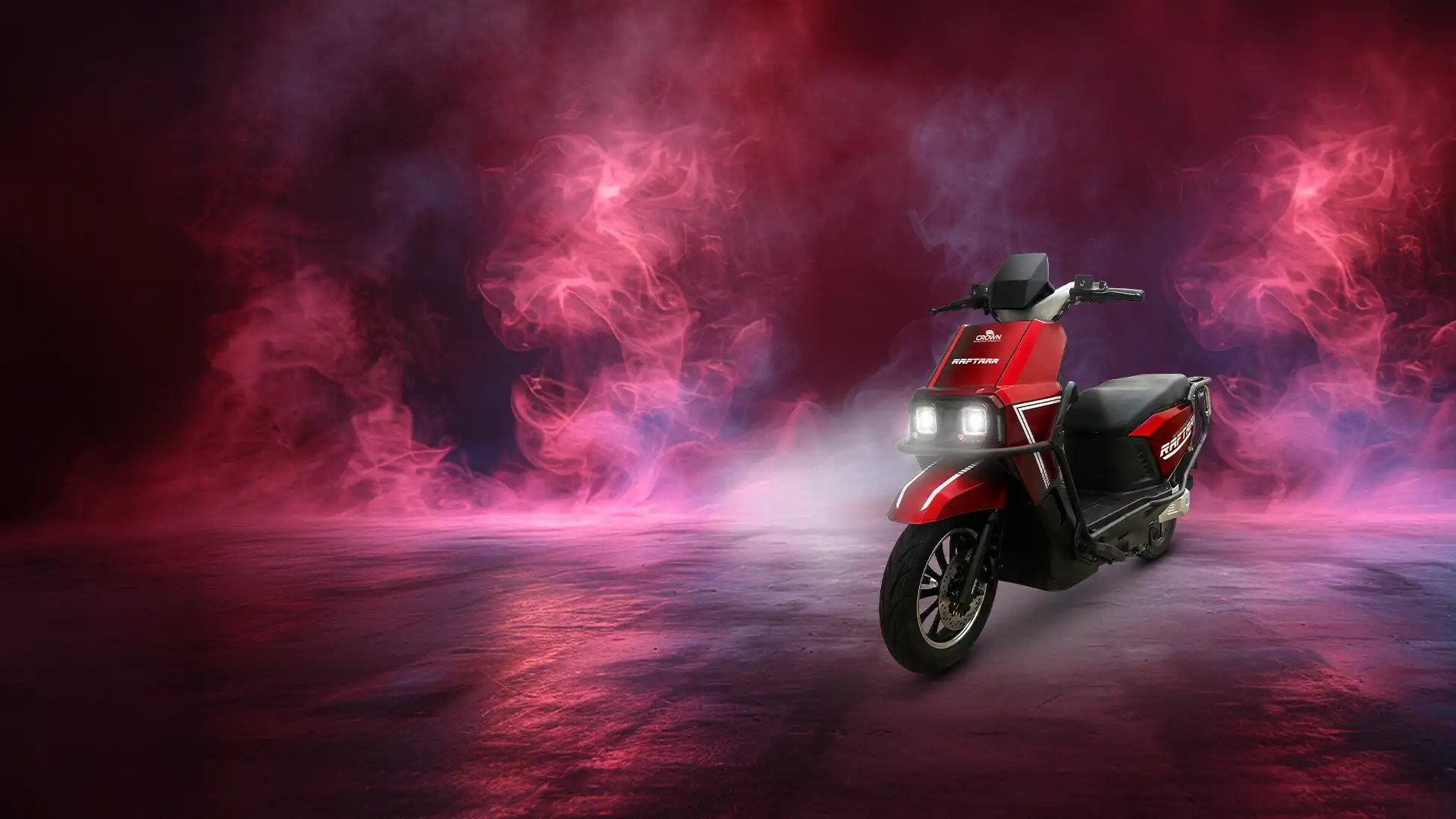
- 3000W to 4000W High-Output Motors (e.g. Crown Raftaar Pro): Cater to performance enthusiasts seeking motorcycle-grade acceleration, achieving top speeds of 85 to 90 km/h with heavy load-carrying capabilities.
4. Charging Infrastructure & Home Electrical Meter Management
One common concern among first-time electric vehicle buyers is whether home wiring can support daily vehicle charging. Fortunately, electric scooters do not require specialized high-amperage charging stations:
- Standard 220V 3-Pin Wall Socket: Every electric bike in our directory includes a smart AC charger that draws between 350W and 600W — roughly equivalent to running a single household pedestal fan or two desktop computers. Standard domestic 5A or 10A circuits handle this load comfortably without tripping breakers.
- Off-Peak Charging Advantage: Charging your scooter between 11:00 PM and 6:00 AM avoids peak tariff penalties on time-of-use (TOU) electricity meters.
- Solar Compatibility: For homes equipped with rooftop solar systems (even modest 3kW or 5kW hybrid systems), plugging in during daytime hours allows you to run your electric bike on 100% free sunlight, reducing your marginal transport fuel cost to Rs. 0.
5. Pre-Purchase Inspection Checklist for Pakistani Riders
Before committing to a specific electric scooter dealership, verify the following five practical items in person:
- Warranty Documentation: Ensure the battery warranty is backed by an official warranty card from the authorized importer or local assembly plant, detailing clear replacement terms for capacity degradation.
- Braking Architecture: Dual disc brakes (front and rear) provide significantly superior stopping power on Pakistani road surfaces compared to traditional drum brakes, especially in sudden monsoon braking scenarios.
- Ground Clearance: Ensure the scooter has at least 150mm to 165mm of underbody ground clearance to clear tall speed breakers and uneven road patches without scraping the battery casing.
- Water Resistance (IP67 Rating): Confirm that the electric motor and motor controller carry certified IP67 ingress protection, ensuring water protection through typical urban monsoon puddles.
- Spare Parts Availability: Inquire about local stocking of throttle grips, brake levers, front suspension seals, and replacement tire tubes at the dealer's authorized workshop.